



The Limitations of Legacy Solutions: Why Upgrade to Electric?
Historically, travelers relied on traditional gel ice packs or evaporative cooling pouches (such as FRIO bags). While these traditional methods served a purpose when options were limited, they come with substantial drawbacks in modern travel environments.
-
Ice Packs & Gel Coolers: Ice packs suffer from unpredictable cooling curves. Initially, they are cold enough to risk freezing your insulin (destroying the protein chains instantly). Within a few hours, as the ice melts, temperatures spike into dangerous territory—leaving you guessing whether your medication is safe.
-
Evaporative Cooling Pouches: These rely on ambient humidity and water evaporation. While great for keeping already-opened pens under 77°F in mild climates, they cannot achieve true refrigeration (36°F–46°F) required for long trips with unopened inventory, and they lose effectiveness in humid or enclosed spaces like car trunks.
-
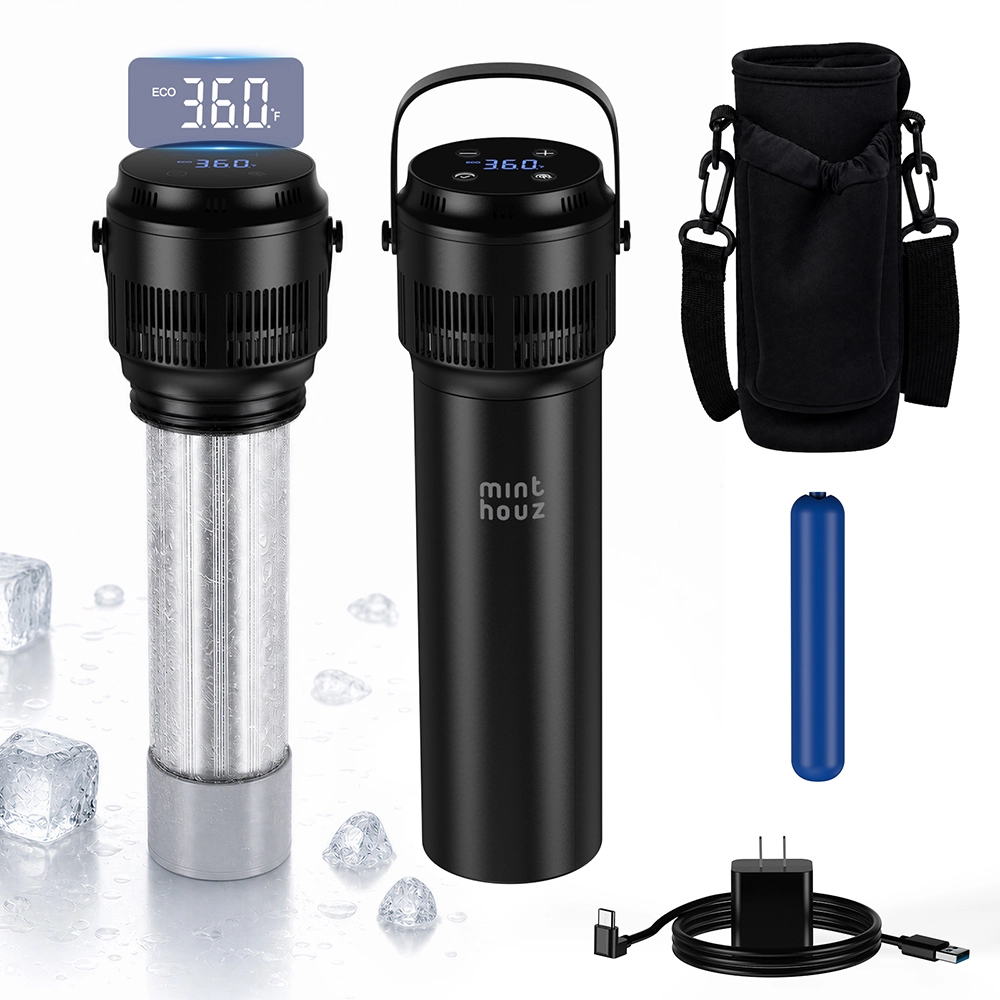
Smart Portable Electric Coolers: Powered by solid-state thermoelectric semiconductor chips, modern portable coolers actively regulate internal temperatures to exact degrees regardless of ambient weather, providing stable, continuous refrigeration without messy condensation or ice melting.
Side-by-Side Comparison of Travel Cooling Methods
| Feature / Metric | Traditional Ice Pack Bags | Evaporative Pouches (FRIO) | Smart Electric Refrigerators |
| Temperature Control | Unpredictable; risk of freezing | Cooling only (drops ~10-15°F below ambient) | Precision Constant Temp (36°F–46°F / 2°C–8°C) |
| Real-Time Display | None (Blind trust) | None | LED Digital Screen & App Alerts |
| Power Source | Pre-frozen ice blocks | Water activation | Lithium Battery, USB-C, Car 12V, Power Banks |
| Max Duration | 4 – 8 hours max | 24 – 48 hours (mild temps only) | Continuous (Unlimited via USB/Car/AC) |
| Freezing Hazard | High (Direct contact with ice) | None | Zero (Built-in Anti-Freeze Thermostat) |
6 Essential Features to Look For in a Portable Insulin Cooler
When shopping for a portable electric insulin cooler, look beyond basic marketing claims. Prioritize these six core specifications to ensure reliable performance on your journeys:
1. Semiconductor Thermoelectric Cooling & Anti-Freeze Protection
Ensure the cooler utilizes advanced Peltier thermoelectric semiconductor technology rather than simple mini-fans. Superior models feature intelligent microprocessors that dynamically adjust cooling output to match external weather while incorporating active anti-freeze cut-offs so your medication never drops below 36°F (2°C).
2. Multi-Source Power Compatibility & Battery Autonomy
Flexibility is key when off the grid. Your cooler should feature standard USB-C charging, allowing you to run it via portable power banks, laptop ports, airplane seat power, or 12V car adapters. Look for an integrated battery that provides at least 8 to 12 hours of standalone operation on a single charge.
3. TSA Compliance & Flight-Ready Certification
Air travel requires strict adherence to security protocols. Choose a device equipped with lithium-ion batteries rated under 100 Watt-hours (Wh), ensuring full compliance with Federal Aviation Administration (FAA) and Transportation Security Administration (TSA) carry-on guidelines.
PRO TRAVELER TIP FOR FLYING Always keep your insulin cooler in your carry-on luggage. Never check insulin into cargo holds, where temperatures can plummet well below freezing, damaging your medication permanently. Electric coolers pass seamlessly through TSA checkpoints when declared as medical equipment.
4. Internal Capacity & Organized Storage
Assess your typical supply needs. A well-designed interior should accommodate at least 2 to 4 standard insulin pens, or multiple vials and syringes, with dedicated anti-rattle silicone inserts to keep delicate glass cartridges safe from drops and vibrations.
5. Ultra-Quiet Whisper Operation
If you plan to use the cooler on your nightstand in hotel rooms or during quiet office meetings, low noise output is non-negotiable. Look for brushless cooling fans designed to operate below 30 decibels (dB)—equivalent to a soft whisper.
6. Real-Time Temperature Display & Smart Alarms
Visual verification brings immediate confidence. A bright LED display showing current internal temperature, battery life, and high/low temperature warnings guarantees you are always aware of your insulin’s safety status.
Tailored Recommendations by Travel Style
-
The Road Tripper & Camper: Prioritize 12V car charger compatibility, rugged thermal insulation outer sleeves, and extended dual-battery support to handle high summer temperatures inside parked vehicles.
-
The Frequent Flyer & Professional: Look for ultra-compact, TSA-approved designs with silent operation (<30dB) and sleek profiles that fit discreetly into briefcase pockets or tote bags.
Essential Maintenance & Operating Tips
-
Pre-Cool Before Loading: Turn on your empty cooler 15 to 20 minutes before heading out to allow the internal chamber to reach the optimal 36°F–46°F range before inserting your medication.
-
Maintain Airflow Clearance: Thermoelectric coolers dissipate heat through external vents. Never cover cooling vents inside tight backpacks or under blankets during operation.
-
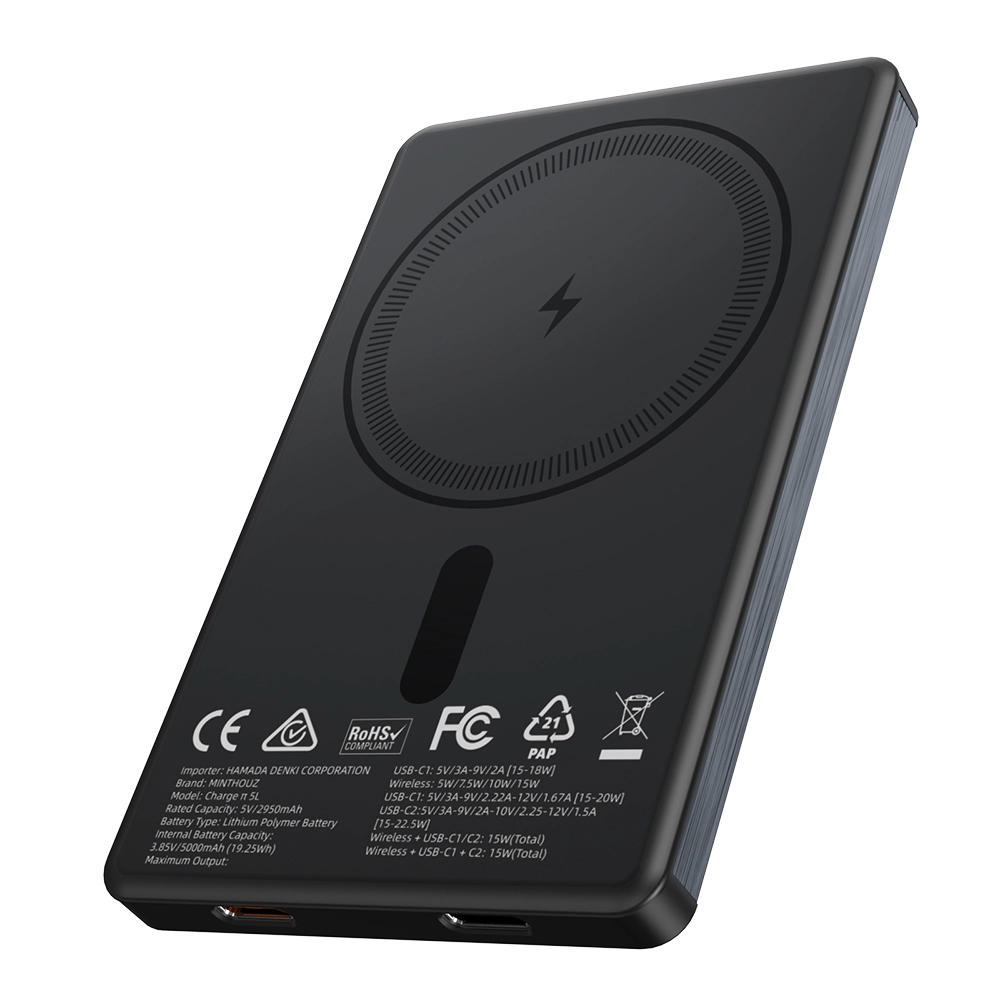
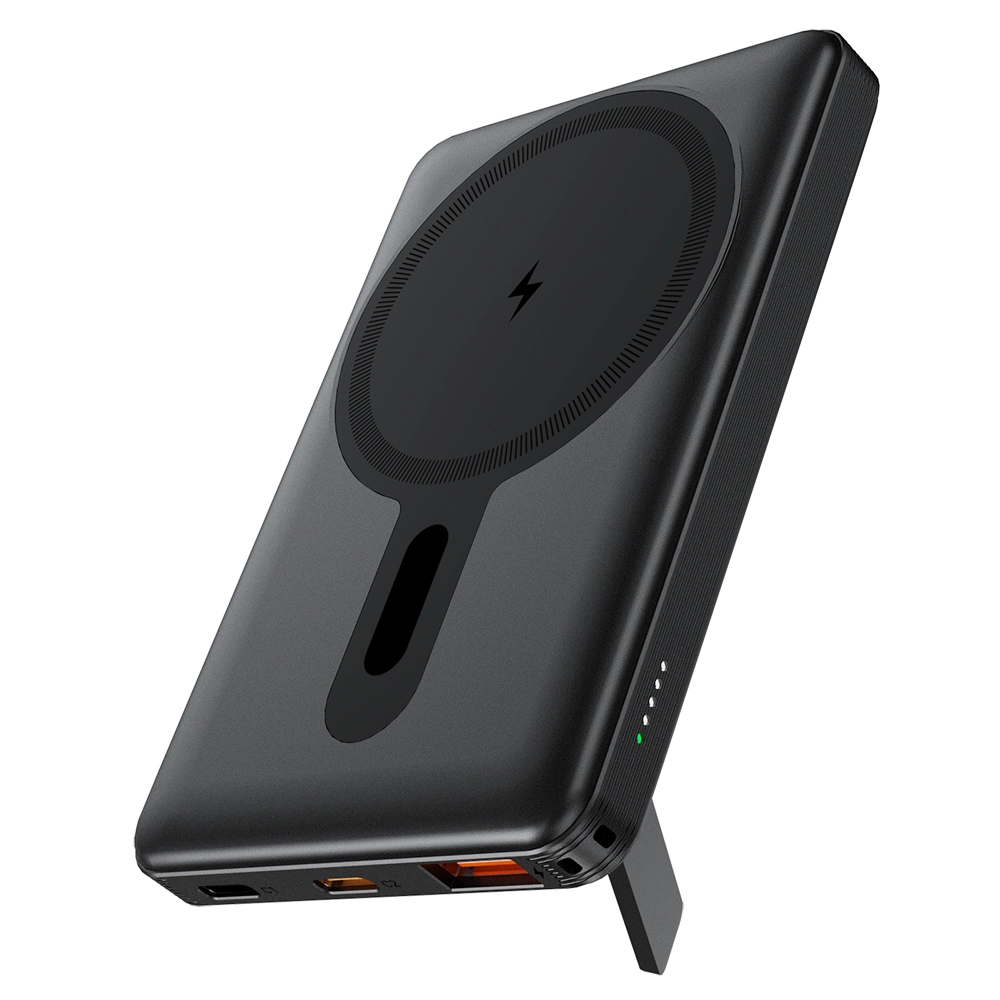
Keep Backup Power Handy: On long international flights or off-grid excursions, carry a standard 20,000mAh USB-C power bank to double or triple your cooling autonomy.
Final Thoughts: Invest in Peace of Mind
Living with diabetes shouldn't compromise your passion for exploration. Upgrading to a dedicated portable electric insulin cooler eliminates the guesswork of traditional ice packs, protecting your vital medication with scientific precision wherever life takes you.
