





















Part 1: Gear & Setup — Stop Buying Things You Don’t Need
1. Falling into the "Gear Traps" (Buy Less, Rent More)
It’s easy to spend $2,000 at REI before you’ve even spent a single night outdoors. Beginner campers often believe top-tier brands like Arc'teryx or Patagonia are mandatory for weekend car camping.
-
The Fix: Embrace Gear Minimalism. Rent your heavy gear (tent, sleeping pad) from local outfitters, check out secondhand platforms like REI Re/Supply or Facebook Marketplace, or borrow from friends. Test the waters before investing thousands.
2. Pitching Your Tent for the First Time at Sundown
There is nothing more frustrating than trying to set up a brand-new tent in the pitch black using a smartphone flashlight—especially while rain starts pouring down.
-
The Safety Hazard: Setting up blindly can also lead to pitching under "Widowmakers"—dead branches hanging overhead that can fall during high winds—or in low-lying depressions that collect rainwater overnight.
-
The Fix: Always do a dry run in your backyard or a local park before leaving home. When you arrive at your campsite, inspect the overhead trees and ground contours carefully.
3. Ignoring R-Value: Why Sleeping Bags Aren't Enough
Many beginners think a warm sleeping bag guarantees a warm night. However, cold air comes from below, not above. As your body compresses the bottom of your sleeping bag, it loses its insulation value.
-
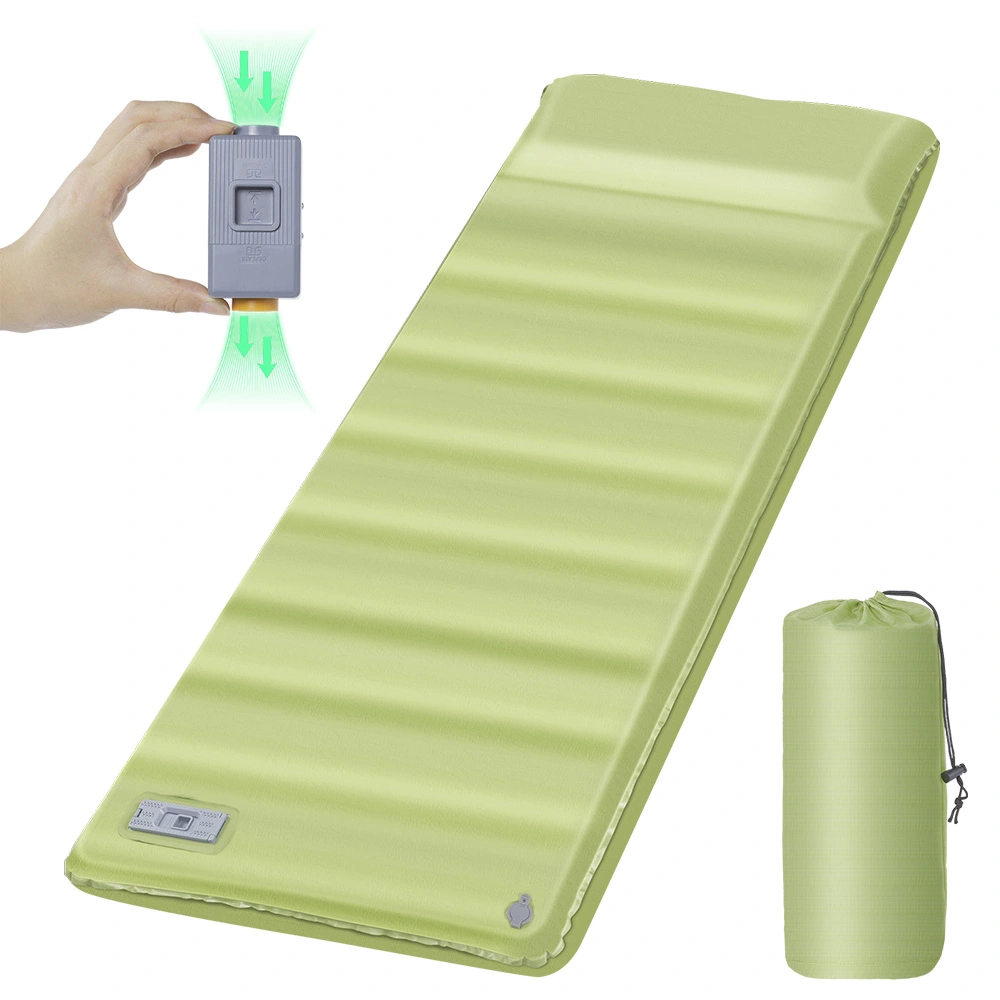
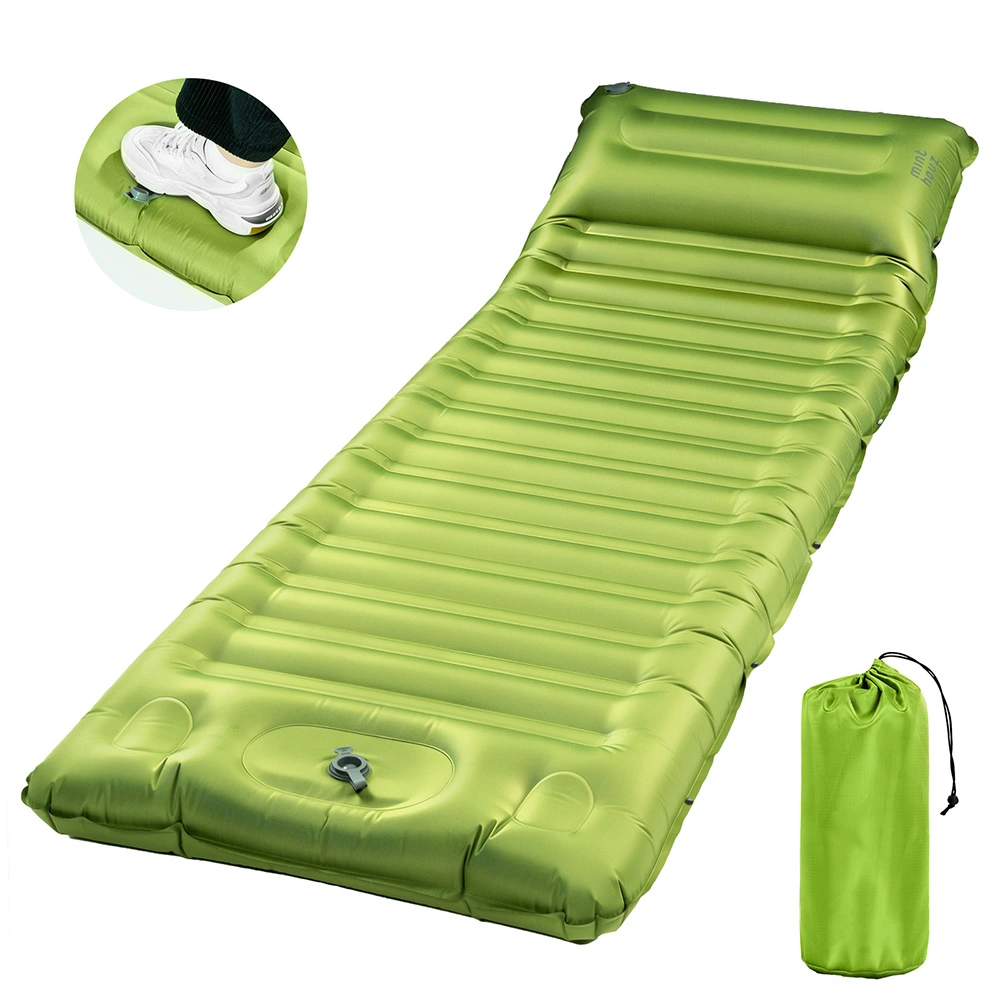
The Pro-Tip: Pay attention to your R-Value (the measure of thermal resistance) when choosing a sleeping pad. A pad with an R-Value of 3.0 or higher is crucial for insulating your body from the cold ground, even during summer nights.
Part 2: Wildlife & Navigation — Respecting the Elements
4. Leaving Food Out: The "Bear Buffet" Mistake
Leaving trail mix on the picnic table or food inside your tent isn't just dangerous—it can be deadly for local wildlife. A "habituated" bear (one accustomed to human food) often ends up being euthanized by park rangers.
-
The Protocol: In bear country, use hard-sided Bear Canisters or bear-proof lockers provided by campsites. If hanging a food bag, keep it at least 12 feet off the ground and 6 feet away from the tree trunk.
-
Bear Spray: Always carry Bear Spray on your hip or chest—never buried deep inside your backpack.
       ┌────────────────────────────────────────────────────────┐
       │             CRITICAL CAMPING RULE                      │
       │                                                        │
       │   A clean camp is a safe camp. Never store food,      │
       │   scented toiletries, or trash inside your tent!       │
       └────────────────────────────────────────────────────────┘
5. Over-Relying on Cell Service & GPS
Most national parks and backcountry forests are dead zones for cell reception. Relying on Google Maps or Apple Maps to navigate your hike is a recipe for getting lost.
-
The Solution: Download offline maps using apps like AllTrails or Gaia GPS prior to leaving home. Always carry a physical topographic map and a traditional magnetic compass—and know how to read them. For backcountry ventures, invest in a satellite messenger like a Garmin inReach.
Part 3: Fire, Water & Ethics — Being a Responsible Outdoor Citizen
6. Ignoring Local Fire Restrictions
Campfires are an iconic part of the experience, but wildland safety comes first. With dry seasons lengthening across Western North America and Southern Europe, fire bans are strictly enforced.
-
The Rule: Check local park alerts for Fire Restrictions or burn bans before setting out. If fires are allowed, purchase firewood locally at or near the campsite to avoid introducing invasive insect pests to local forests.
7. Drinking Unfiltered Water
That mountain stream might look crystal clear, but invisible microscopic parasites like Giardia and Cryptosporidium cause severe illness.
-
The Solution: Always treat your water using a reliable squeeze filter (like Sawyer Squeeze), UV purifier, or purification tablets. Boil water for at least one full minute at sea level (longer at higher altitudes).
   ┌─────────────────────────────────────────────────────────────────┐
   │                       LEAVE NO TRACE                            │
   │                                                                 │
   │  1. Plan Ahead & Prepare          5. Minimize Campfire Impacts  │
   │  2. Travel & Camp on Durable      6. Respect Wildlife           │
   │     Surfaces                      7. Be Considerate of Other    │
   │  3. Dispose of Waste Properly        Visitors                   │
   │  4. Leave What You Find                                         │
   └─────────────────────────────────────────────────────────────────┘
8. Violating LNT (Leave No Trace) Principles
In modern outdoor culture, failing to practice Leave No Trace (LNT) principles is a major social faux pas.
-
The Essentials:
-
Pack it in, Pack it out: Bring trash bags and leave zero garbage behind—including fruit peels and eggshells, which take years to decompose.
-
Cat Holes: If camping without toilets, dig a hole 6–8 inches deep at least 200 feet away from water sources, trails, and campsites.
-
Part 4: Comfort & Mental Prep
9. Wearing Cotton (The "Cotton Kills" Myth)
Cotton absorbs moisture easily and dries slowly. In cold or windy weather, damp cotton clothing strips away body heat rapidly, leading to hypothermia.
-
The Fix: Dress in layers made of synthetic fabrics (polyester, nylon) or natural Merino wool, which wicks away sweat and stays warm even when wet.
10. Packing Without a Plan for Wet Weather
Weather changes rapidly in outdoor environments. Assuming blue skies will stay all weekend is a classic rookie mistake.
-
The Fix: Always pack rain gear (breathable waterproof jacket and pack cover) regardless of the forecast. Store sleeping bags and spare clothing in dry sacks or heavy-duty trash bags inside your backpack.
Final Thoughts: Embrace the Learning Curve
Your first camping trip doesn't need to be perfect—it just needs to be safe. By respecting wildlife, choosing practical gear, and leaving nature better than you found it, you’ll unlock a lifetime of adventures under the stars.
What was your biggest rookie mistake during your first camping trip? Drop your stories in the comments below!